★ FeaturedHow to Learn German for the Anmeldung (Phrases + What to Expect)
The German you actually need for the Anmeldung — what the Bürgeramt asks, the exact phrases to use, and how to walk in ready. A practical 2026 guide.
Practical guides for learning a language when you're actually relocating — bureaucracy, housing, healthcare and the conversations that matter from day one.
★ FeaturedThe German you actually need for the Anmeldung — what the Bürgeramt asks, the exact phrases to use, and how to walk in ready. A practical 2026 guide.

Most language apps teach tourist phrases. If you're relocating, you need bureaucracy, housing and healthcare language. Here's what to look for in 2026.

General language apps teach tourist phrases; relocation apps teach bureaucracy, housing and healthcare. Here's how they differ and which to use.

Renting in Germany? The exact German phrases for viewings, contracts, deposits and repairs — so you can handle your landlord with confidence.

English goes far in the Netherlands — until the gemeente, the huisarts and your rental contract. The first Dutch to learn when relocating, in 2026.

Bestie Mode turns Language Lab's AI tutor Sonia into a casual friend who roasts you, hypes you up, and chats in your target language. Here's how it works.

Describing symptoms in German at the Hausarzt is stressful after moving. Exact phrases for booking, symptoms and prescriptions — 2026.

Opening a bank account is one of the first tasks after moving abroad — and it's full of paperwork vocabulary. The phrases and documents you need, for 2026.

Moving to Spain? Skip the tourist phrases. The Spanish you actually need first — empadronamiento, NIE, the doctor and renting — in this practical 2026 guide.

France runs on paperwork. The French you need first when relocating — the préfecture, healthcare, renting and daily life — in this practical 2026 guide.

The conversations that decide how your first month abroad goes — and how to rehearse them before you land. A practical checklist for movers in 2026.

A B1 certificate is required for many residence and citizenship applications. What the exam tests and how to prepare the speaking part efficiently, for 2026.

Italy's bureaucracy runs entirely in Italian — questura, codice fiscale, residenza included. The first Italian you need for relocating in 2026.

Portugal's AIMA appointments, NIF registration and healthcare all run in Portuguese. The first practical phrases when relocating to Portugal, in 2026.

Poland's zameldowanie registration, PESEL number and urząd gminy appointments are in Polish. The practical phrases to learn before you land, in 2026.

Sweden's folkbokföring, personnummer and Skatteverket registration require Swedish. The first phrases when relocating to Sweden, in 2026.

Norway's folkeregistrering, D-number and Skatteetaten appointments are in Norwegian. The essential phrases for relocating to Norway, in 2026.

Denmark's CPR number registration and borgerservice appointments are almost entirely in Danish. The first phrases for relocating, in 2026.

Russia's address registration and МВД appointments require Russian. The essential phrases for navigating your first weeks, in 2026.

Turkey's ikamet izni appointment, nüfus müdürlüğü and bank setup require Turkish. The first phrases when relocating to Turkey, in 2026.

Japan's city hall registration, My Number and bank setup require Japanese. The essential phrases before landing in Japan, in 2026.

South Korea's foreigner registration, immigration office and bank setup require Korean. The first phrases before you land, in 2026.

China's 居住证 registration, bank setup and daily life require Mandarin. The first Chinese phrases when relocating to China, in 2026.

The UAE runs on Arabic for residency, Emirates ID and healthcare. The first Arabic phrases for relocating to Dubai or Abu Dhabi, in 2026.

India's FRRO registration, daily admin and healthcare require Hindi in most cities. The first phrases when relocating to India, in 2026.

Vietnam's temporary residence registration (tạm trú) and daily admin require Vietnamese. The first phrases for relocating, in 2026.

Indonesia's KITAS, immigration (imigrasi) and NPWP tax registration require Indonesian. The essential phrases before landing, in 2026.

Thailand's immigration office, TM.30 registration and daily admin require Thai. The first phrases before landing in Thailand, in 2026.

Duolingo teaches general vocabulary. Language Lab teaches the Anmeldung, landlord, and doctor. Here's how they differ for people moving abroad.

Babbel uses structured grammar courses. Language Lab uses voiced relocation scenarios. For expats, here's which prepares you better for the real thing.

Rosetta Stone uses full immersion for general language learning. Language Lab uses voiced relocation scenarios. For immigrants, here's the practical difference.

Pimsleur is audio-only spaced repetition. Language Lab is interactive voiced scenarios. For people moving abroad, here's what each actually prepares you for.

Busuu teaches general language through community exercises. Language Lab teaches settling-in conversations. Here is the practical difference for movers.

italki connects you with human tutors. Language Lab provides an always-on AI tutor and relocation scenarios. Here is when each makes sense.

Duolingo, Babbel, Rosetta Stone, Pimsleur, Busuu, italki, Language Lab — compared for people moving abroad. Which actually prepares you for the Anmeldung?

The gemeente BRP registration in the Netherlands — what happens at the appointment, what the officer asks, and the Dutch phrases you need. A 2026 guide.

Spain's empadronamiento — what the padron office asks, exact Spanish phrases, and why it matters for your NIE and healthcare. 2026 guide.

The préfecture appointment for a titre de séjour in France — what the officer asks, the exact French phrases to use, and how to arrive prepared. A 2026 guide.

Registering residenza at the Italian comune — what the officer asks, the documents you need, and the exact Italian phrases to use. A practical 2026 guide.

Poland's zameldowanie address registration — what the officer asks, the documents you need, and the Polish phrases to use at the urząd gminy. A 2026 guide.

Relocating to Mexico City, Guadalajara or anywhere in Mexico? These are the Spanish phrases and situations you must practise before your residency appointment.

Argentine Spanish uses vos instead of tú. Here's the Spanish expats need for Buenos Aires DNM residency appointments and renting an apartment.

Brazilian Portuguese differs from European Portuguese. Expats need phrases for CPF registration, VITEM visas, and São Paulo or Rio daily life.

Austria uses German but its bureaucracy and dialect differ. Here's what expats in Vienna need before their Magistrat Meldezettel appointment.

Quebec French differs from Parisian French. Expats moving to Montreal or Quebec City need these phrases for RAMQ health card, CAQ permit, and daily Quebec life.

Flemish Dutch differs from Dutch Dutch. Expats in Antwerp or Brussels need phrases for gemeente registration, OCMW, and Belgian daily life.

FSI data says 750 hours. But what does that mean for you? Here's the honest breakdown — from Anmeldung survival to B1 exam to full fluency, in real study hours.

French is the easiest tier for English speakers. Honest timeline from zero to DELF B1, prefecture-ready, and fluency — for expats moving to France.

Spanish is the easiest language for English speakers. Honest timeline from zero to DELE B1, empadronamiento-ready, and fluency — for expats moving to Spain.

Nurses and doctors need B2 German for Approbation. Key medical phrases, Fachsprachprüfung exam tips, and the full exam timeline for healthcare workers.

Engineers on EU Blue Card or skilled worker visa. Here's the German for Ausländerbehörde appointments, job interviews, and workplace integration.

Berlin is international but the Bürgeramt is in German. These phrases get you through Anmeldung, your BVG transit card, and your first month.

Moving to Paris? French phrases for your préfecture appointment, metro card, boulangerie, and first month — even starting from zero.

Flashcards? Duolingo? Immersion? Here's what the research and expats who've done it say is actually the fastest way to learn German — for movers, not tourists.

Complete checklist for moving to Germany. Anmeldung, health insurance, bank account, tax ID, language course — in order, with German phrases.

Starting German from zero? Here's the order to learn grammar, vocabulary and pronunciation — plus which apps actually work, and what to skip as a beginner.

Speaking is the hardest skill to practise alone. AI conversation partners, language exchange, and scenario practice that actually build fluency.

India is Germany's largest source of skilled workers. Everything Indians need: Skilled Worker Visa, German requirements, Anmeldung and integration.

You don't need to move abroad to immerse yourself in a language. Science-backed techniques that work from home and accelerate acquisition.

German bank account phrases for expats. In-branch Sparkasse or Commerzbank appointments, plus N26 and DKB for instant online accounts without Anmeldung.

Getting your NIE and Seguridad Social in Spain. Spanish phrases for Policía Nacional and TGSS offices that make your first appointments go smoothly.

Going to the doctor abroad is stressful. Medical phrases in German, French, Spanish, Italian and Dutch — describe symptoms, understand prescriptions.

Language learning motivation dips after the beginner high. Science-backed techniques to stay consistent through the plateau and reach fluency.

Italian takes English speakers around 600 hours to reach B2. Here's a realistic breakdown by level, learning pace, and what accelerates your timeline.

Portuguese takes ~600 hours to B2 per FSI. European and Brazilian Portuguese differ enough to matter. Here's what to expect at each level.

Dutch takes English speakers around 575 hours to B2 — the fastest Category I language. Here's the honest timeline and what speeds it up.

Swedish is one of the easiest languages for English speakers — around 575 FSI hours to B2. Here's what to expect month by month.

Norwegian takes ~575 hours for English speakers to reach B2 — one of the easiest languages to learn. Here's the realistic timeline.

Danish is Category I (~575 FSI hours) but harder to understand than Swedish or Norwegian. Here's why — and the realistic learning timeline.

Polish is Category III — around 1,100 hours to B2 for English speakers. Here's an honest timeline and what makes Polish hard.

Turkish is Category III — ~1,100 hours to B2 for English speakers. Here's why it's challenging and what the realistic timeline looks like.

Indonesian (Bahasa Indonesia) is Category II — ~900 hours to B2. It's one of the most accessible Asian languages for English speakers. Here's why.

Vietnamese is Category III — ~1,100 hours to B2 for English speakers. Six tones make it tricky. Here's the honest timeline.

Thai is Category III — ~1,100 FSI hours to B2. A unique script and five tones make it challenging. Here's what to realistically expect.

Japanese is Category IV — ~2,200 FSI hours to B2. Three writing systems make it uniquely challenging. Here's what the numbers really mean.

Korean is Category IV — ~2,200 FSI hours to B2. Hangul takes days, but grammar takes years. Here's the honest breakdown.

Mandarin is Category IV — ~2,200 FSI hours to B2. Four tones and thousands of characters make it uniquely challenging. Here's the realistic path.

Russian is Category III — ~1,100 FSI hours to B2. Cyrillic script and six noun cases are the main hurdles. Here's the realistic timeline.

Arabic is Category IV — ~2,200 FSI hours to B2 (Modern Standard Arabic). Here's why, and what expats should actually prioritise.

Hindi is Category III — ~1,100 FSI hours to B2. Devanagari script and SOV grammar are the main hurdles. Here's the realistic breakdown.

Starting French from zero? This guide covers the alphabet, pronunciation, essential grammar, and first vocabulary you actually need as a beginner.

Starting Spanish from scratch? This complete guide covers pronunciation, grammar basics, essential vocabulary, and exactly how to begin.

Italian is one of the most accessible languages for English speakers. Here's exactly how to start — pronunciation, grammar, and first vocabulary.

Starting Japanese? This guide covers hiragana, katakana, basic grammar, and the realistic first steps toward Japanese fluency.

Korean beginners can learn Hangul in a day. After that, here's the honest roadmap — grammar structure, first vocabulary, and realistic goals.

Arabic is one of the world's most spoken languages. Here's an honest beginner guide — script first, then MSA vs dialect decisions, then vocabulary.

Russian beginners can learn Cyrillic in two weeks. After that, here's the honest path — six cases, verb aspects, and practical first steps.

The best way to learn French isn't one app or one method — it's a specific combination. Here's what actually works, backed by research and expat experience.

The best way to learn Spanish combines structured grammar, vocabulary SRS, comprehensible input, and speaking. Here's exactly how to structure it.

Japanese requires a specific learning sequence to avoid common plateaus. Here's the evidence-based method that takes learners from zero to JLPT N3.

The best Korean learning method starts with Hangul in a week, then follows a proven grammar + SRS + input sequence. Here's exactly how.

Duolingo, Babbel, Pimsleur, and others compared honestly. Which app is actually worth your time as a serious language learner or expat?

Moving from UK to Germany post-Brexit? This guide covers the visa process, registration, health insurance, bank accounts, and German language requirements.

Moving from the UK to Spain post-Brexit? Visa options, NIE number, empadronamiento, healthcare, and what Spanish you actually need.

Moving from America to Germany? Visa options, FBAR/tax obligations, health insurance, German language requirements, and the bureaucratic sequence explained.

JLPT N5 is the entry-level Japanese proficiency exam. Here's the complete preparation guide — what's tested, study resources, and an 8-week plan.

The Goethe B1 certificate is required for German citizenship and many visa applications. Here's the complete preparation guide.


The DELE B1 certificate proves B1 Spanish and is accepted for Spanish nationality and residency applications. Here's the complete preparation guide.

Living in Amsterdam? These essential Dutch phrases cover apartment hunting, GP registration, gemeente visits, and Dutch social life — beyond basic tourism.

Moving to Rome? These practical Italian phrases cover registration at the Comune, healthcare, apartment hunting, and Roman daily life beyond tourist Italian.

The DELF B1 is accepted for French visa and citizenship applications. Here's the complete preparation guide — structure, study plan, and key resources.

TOPIK I tests Korean proficiency at A1–A2 level. Here's the complete study guide to pass Levels 1 and 2 on your first attempt.

HSK is the official Chinese proficiency exam. Here's what each level tests, who needs it, and how to prepare for HSK 3 and 4.

Starting Portuguese? This guide covers European vs Brazilian choice, pronunciation, first grammar, and how to make fast early progress.

Dutch is the fastest European language for English speakers. Here's the complete beginner guide — pronunciation, first grammar, and what to prioritise.

The best Italian learning method combines grammar, spaced repetition, comprehensible input, and speaking. Here's the evidence-based approach.

India to Germany is one of the most popular migration routes. Chancenkarte, Fachkräftevisum, German language requirements, and what to expect explained.

Living in Madrid? These practical Spanish phrases cover empadronamiento, NIE registration, healthcare, and Madrid social life beyond basic tourism.

Moving from the UK to France post-Brexit? Long-stay visa, carte de séjour, DELF French requirement, healthcare, and the administrative sequence explained.

Swedish is one of the easiest languages for English speakers. This beginner guide covers pronunciation, first grammar, and exactly how to start.

Norwegian is the closest major language to English. This beginner guide covers Bokmål basics, pronunciation, and your first steps to fluency.

Polish is Category III but fully learnable. This beginner guide covers the right starting sequence, key grammar concepts, and what to tackle first.

Germany recruits Filipino nurses actively. Complete guide: Fachkräftevisum, degree recognition, B2 German requirements, and what to expect.

The Chancenkarte lets qualified workers enter Germany without a job offer to search for work for up to one year. Here's exactly who qualifies and how to apply.

EU Blue Card is Germany's fast-track permit for high-earning skilled workers. Here are the 2026 salary thresholds, application process, and what it unlocks.

Moving from America to Spain? Non-Lucrative Visa, Digital Nomad Visa, Beckham Law tax benefits, NIE number, and the Spanish bureaucracy sequence explained.

The Goethe B2 is required for regulated professions in Germany. Here's the complete preparation guide — structure, study plan, and key resources.

Turkish is agglutinative but phonetically regular. This beginner guide covers the correct starting sequence, vowel harmony, and first grammar.

Hindi uses Devanagari script but is learnable step-by-step. This beginner guide covers the right starting sequence, script basics, and first grammar.

The German vocabulary and phrases for apartment viewings, lease negotiations, and moving in — including what landlords actually say and how to respond.

How to choose statutory health insurance in Germany — TK, AOK, Barmer, DAK — and the German phrases you need to register, claim, and visit the doctor.

Seven evidence-based techniques to accelerate German speaking fluency — from shadowing and input stacking to AI speaking practice and output forcing.

Which visa you need to move to Germany in 2026 — employment, freelance, job seeker, Chancenkarte, student, and family reunification — with the German terms you need.

Why general language apps fail working expats — and what an app built for relocation actually teaches. Workplace vocabulary, bureaucracy phrases, and AI conversation for work contexts.

A complete beginner guide to learning Thai — tones, script, pronunciation, first vocabulary, and the fastest methods for moving to Thailand.

A complete beginner guide to Vietnamese — the 6 tones, Latin script, pronunciation tips, essential vocabulary, and the fastest methods for people moving to Vietnam.

The German phrases you need for job interviews in Germany — common questions, how to answer them, professional vocabulary, and how to prepare in advance.

Language preparation strategies for families moving abroad — children in school, partner integration, household administration, and how to avoid the language burden falling on one person.

The grammatical and pronunciation mistakes English speakers make most often in German, why they happen, and how to correct them fast.

What expats actually pay for rent, groceries, transport, healthcare, and childcare in Germany in 2026 — city by city — and the German vocabulary you need to manage your budget.

Practical French vocabulary for apartment hunting in France — viewing flats, understanding leases, dealing with agences immobilières, and the dossier de location.

Practical techniques to reach conversational French faster — from shadowing and output forcing to AI practice partners and building a daily habit around relocation vocabulary.

Essential Spanish vocabulary for apartment hunting in Spain — empadronamiento, fianza, viewing phrases, and understanding Spanish rental contracts (contratos de arrendamiento).

Proven techniques to reach conversational Spanish quickly — shadowing, output forcing, AI practice, and building expat-specific vocabulary for Spain or Latin America.

Practical Italian vocabulary for moving to Italy — registrazione anagrafica, codice fiscale, permesso di soggiorno, healthcare, and everyday life phrases.

Key Portuguese phrases and vocabulary for expats moving to Portugal or Brazil — NIF/CPF, SEF/AIMA, rental contracts, and everyday bureaucratic language.

Practical Dutch vocabulary for life in the Netherlands — DigiD, BSN, gemeente registration, DigiD, zorgverzekering, and phrases for everyday expat situations.

Practical Japanese vocabulary and phrases for expats — residence card registration, My Number, national health insurance, finding housing, and daily bureaucratic Japanese.

Essential Korean vocabulary for expats in South Korea — alien registration, health insurance, apartment rental (전세/월세), shopping, and everyday situations with romanisation.

Practical Mandarin vocabulary for expats in China — residence permit registration, healthcare, housing, daily life phrases, and understanding Chinese tones for bureaucratic situations.
telc, Goethe, DTZ, Leben in Deutschland — which German certificate does your residence permit or citizenship actually require, at which level, and how to prepare for the speaking part.
Since 1 January 2026, France requires proof of French for residence permits. Which level you need (A2 or B1), which exams count (TCF, TEF, DELF), and how to prepare for the oral.
From April 2026, Japan's Engineer/Specialist in Humanities/International Services visa adds a Japanese requirement (around JLPT N2 / CEFR B2) for some roles. Who it affects, who's exempt, and how to prepare.
Under the Wet inburgering 2021 (in force since 2022), the Dutch civic-integration level is B1. What the inburgeringsexamen involves, the three routes, and how to prepare for the speaking parts.
For Spanish citizenship, non-native speakers usually need DELE A2 plus the CCSE civic test. What each exam covers, who is exempt, and how to prepare for the DELE speaking section.
Italy's long-term residence permit needs A2 Italian (CILS A2 / CELI 1); citizenship needs B1 (CILS / PLIDA). Which exam to take, the difference, and how to prepare for the oral.
Realistic hours to reach A1, A2, B1, B2 in German, based on FSI and Goethe-Institut estimates — plus how long to hit B1 for residence, and how to learn faster by speaking.
How many hours to reach A2, B1 and fluency in Spanish — one of the faster languages for English speakers (FSI Category I) — plus how long to B1 and how to learn faster by speaking.
Duolingo is great for habit and vocabulary, but thin on the real conversations relocation demands. An honest look at when to switch, and what a relocation-focused alternative does differently.

US naturalization requires reading, writing and speaking English plus the 2025 civics test (20 questions, 12 to pass). What each part involves, who's exempt, and how to prepare for the speaking interview.

Canada PR and citizenship need a designated English test. CELPIP vs IELTS vs PTE Core, the CLB levels Express Entry requires (CLB 7+), citizenship's CLB 4, and how to prepare for the speaking section.

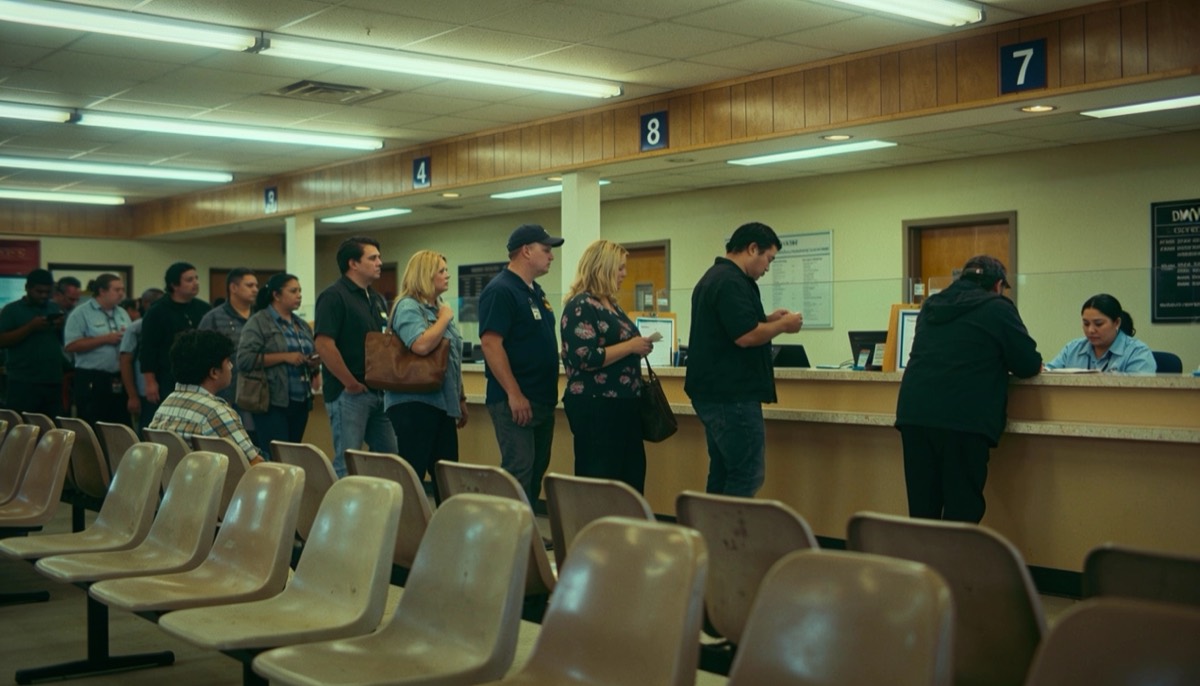
Tourist English isn't enough when you move to the US. The real English for getting a Social Security number, the DMV, signing a lease, the doctor, and the bank — plus how to practice it before you arrive.

The real English for settling in Canada — getting your SIN, a provincial health card, signing a lease, the bank, the doctor — beyond the IELTS/CELPIP exam. What to say and how to practice it before you land.

Realistic hours to reach A2, B1, B2 and fluency in English — what affects the timeline, how long to the level you need for immigration, and how to learn faster by training speaking from the start.

The exact English for booking a doctor's appointment, describing symptoms, understanding the doctor, and handling prescriptions — for newcomers to the US, UK, Canada or Australia. Practice it before you go.

The English to introduce yourself, answer common interview questions, and ask your own — for newcomers job-hunting in the US, UK, Canada or Australia. Rehearse the real interview before you sit it.

The English to view a flat, ask the right questions, understand a lease, and deal with your landlord — for newcomers renting in the US, UK, Canada or Australia. Practice the conversations before you sign.

Phone calls are the hardest English — no visual cues, often fast. The phrases for customer service, booking, and getting things sorted by phone in an English-speaking country, and how to practice them.

The English you need at the US DMV — booking, the documents, the written knowledge test, and the road test — for newcomers. What to say, what to expect, and how to practice the conversation.

PTE Core (accepted by IRCC since 2024) vs CELPIP for Canada Express Entry — format, scoring to CLB, speaking differences, and how to prepare. An honest comparison for a new immigration English test.

For UK settlement (ILR) and citizenship you need B1 speaking & listening plus the Life in the UK Test. Which SELT counts (Trinity GESE 5 or IELTS Life Skills B1), the format, and how to prepare for the speaking exam.

Beyond the visa English test, the real English for settling in the UK — registering with a GP, getting a National Insurance number, council tax, renting, and the bank. What to say and how to practice it.

Beyond the visa English test, the real English for settling in Australia — getting a Tax File Number, enrolling in Medicare, renting, the bank, and the GP. What to say and how to practice it before you land.
Moving to Austria? The German you need for the Meldezettel, the Austrian words that differ from Germany, and the best way to actually learn it before you land.
Moving to a German-speaking canton? Why you learn standard German for paperwork but hear Swiss German on the street, the Gemeinde registration, and how to prepare.
Moving to Saudi Arabia? Why Arabic matters more here than the UAE, the Iqama and Absher vocabulary, Gulf dialect vs Modern Standard Arabic, and how to prepare.
Beyond passing an English test — the real English for the PPS number, registering with a GP, renting, and Irish turns of phrase. A practical guide for moving to Ireland.
Moving to Colombia? The Spanish for your cédula and visa, why Bogotá Spanish is famously clear, the polite usted habit, and the best way to prepare before you land.
Moving to Chile? The Spanish for your RUT and visa, why Chilean Spanish is famously fast and slang-heavy, and the best way to prepare before you land.
Moving to Peru? The Spanish for your Carné de Extranjería and visa, why Lima Spanish is clear and formal, and the best way to prepare before you land.
Moving to Ecuador? The Spanish for your cédula and residence visa, the gentle highland accent, and the best way to prepare before you land.
Moving to Uruguay? The Spanish for your cédula and residency, why it sounds like Argentine Spanish, mate culture, and the best way to prepare.
Moving to Costa Rica? The Spanish for your DIMEX residency and the CCSS health system, the friendly 'pura vida' culture, and how to prepare.
Moving to Panama? The Spanish for your residence permit and cédula E, why English is common but Spanish essential, and how to prepare.
Moving to the Dominican Republic? The Spanish for your residency and cédula, the fast musical Caribbean accent, and how to prepare before you land.
Moving to Bolivia? The Spanish for your residency and foreigner ID, the clear highland accent alongside Quechua and Aymara, and how to prepare.
Moving to an Arabic-speaking country? Why you learn Modern Standard Arabic for paperwork but a dialect for the street, and how to prepare for any destination.
Moving to Qatar? The Arabic for your QID and residence permit, why Doha is English-friendly but Arabic opens doors, and how to prepare.
Moving to Egypt? Why Egyptian Arabic is the region's most understood dialect, the residence registration process, and how to prepare before you land.
Moving to Morocco? Why daily life mixes Darija and French, the carte de séjour process, and the best way to prepare for a multilingual country.
Moving to Kuwait? The Arabic for your Civil ID and residence, why Gulf Arabic builds real rapport, and how to prepare before you land.
Moving to Bahrain? The Arabic for your CPR card and residence, why the compact island is English-friendly but Arabic helps, and how to prepare.
Moving to Oman? The Arabic for your resident card and residence permit, why Omani culture values Arabic, and how to prepare before you land.
Moving to Jordan? Why Jordanian Levantine Arabic is a great gateway dialect, the iqama process, and how to prepare before you land.
Moving to Luxembourg? Why French runs daily admin, where Luxembourgish and German fit in, the commune declaration, and how to prepare.
Moving to Taiwan? Why it uses traditional characters, the warm local Mandarin, the ARC and health insurance process, and how to prepare.
Moving to Kazakhstan? Why Russian remains the everyday lingua franca alongside Kazakh, the migration registration, and how to prepare.
Beyond a visa English test — the real English for your IRD number, enrolling with a GP, Kiwi vocabulary and Māori greetings, and how to prepare.
Beyond passing English — the real English for your work pass and NRIC, understanding Singlish, and how to prepare for settling in Singapore.
Moving to Hong Kong? Why English handles the paperwork but Cantonese transforms daily life, the HKID process, and how to prepare.

Is Language Lab a real app or a scam? A straight answer: it's a genuine, free-to-start language app for people moving abroad, currently in early access. Here's the full picture.

Is Language Lab free? Yes — it's free to start with no credit card required. Here's exactly what you get for free and how pricing is likely to work.

How does Language Lab work? It combines structured lessons, real-life relocation scenarios, and Sonia — a live AI voice tutor — to teach the language you actually need to settle abroad, across 50 languages.


Is Language Lab safe and private? Yes — secure login, encrypted connections, strict per-user data access, and consent-based analytics. Here's exactly how your data is handled.

An honest 2026 review of Language Lab — the AI language app built for people moving abroad. What it does well, where it falls short, and who it's really for.

A complete moving abroad checklist for 2026 — visa, housing, banking, healthcare, language and the admin most people forget. What to do, and in what order, before you land.

How to move to another country in 2026 — a step-by-step guide covering visas, housing, money, healthcare and the language, and how to sequence them so nothing blocks you.

Relocating abroad comes down to four systems — language, visa, housing and career. Here is how they connect, which to solve first, and why coordinating them beats tackling each alone.
Language Lab turns these guides into voiced, real-life practice with a live AI tutor. Coming soon.
Join the beta →We use strictly-necessary storage to sign you in, keep the site secure and deliver the service you ask for. We’d also like your consent for optional categories. You can accept all, reject the non-essential ones, or choose per category. Read our Cookie Policy and Privacy Policy. You can change your choice any time from the Cookie Policy page.